Understanding Pelvic Pain
Pelvic pain is persistent or recurring pain in the lower abdomen, pelvis, or perineal region that lasts beyond the expected healing time of an injury or surgery. It can be sharp, dull, aching, burning, or throbbing — and it often comes with muscle tension, urinary urgency, pain during intercourse, or discomfort with sitting.
Many of my patients have been told their pain is "in their head" or that they should just live with it. That is not true. Chronic pelvic pain has real, identifiable causes — tight or weak pelvic floor muscles, nerve irritation like pudendal neuralgia, scar tissue from surgery or childbirth, endometriosis, interstitial cystitis, or central sensitization where the nervous system amplifies pain signals. A thorough pelvic floor evaluation can pinpoint what is driving your pain, and pelvic floor physical therapy is one of the most effective treatments available.
You don't have to travel far for expert care. We see patients from Montclair, Upper Montclair, and across North Jersey who are searching for vulvodynia treatment, vaginismus treatment, or relief from chronic pelvic pain — and we help them get their life back.
Signs & Symptoms
If you experience any of these, pelvic floor physical therapy can help:
- • Pain in the lower abdomen, pelvis, or genitals lasting more than 3–6 months
- • Burning, stinging, or rawness in the vulvar area (vulvodynia)
- • Pain during or after sexual intercourse (dyspareunia)
- • Involuntary muscle spasms making penetration impossible (vaginismus)
- • Sharp or burning pain along the pudendal nerve — often worse with sitting
- • Pain in the tailbone (coccydynia) that worsens when sitting or standing up
- • A feeling of heaviness, pressure, or aching deep in the pelvis
- • Pain that worsens with stress, certain movements, or prolonged sitting
How I Treat Pelvic Pain
I don't believe in a one-size-fits-all approach. Your evaluation starts with a detailed history — when the pain started, what makes it better or worse, what you've tried — followed by a movement and posture assessment. If appropriate, an internal pelvic floor exam helps me identify trigger points, muscle tone, and coordination issues that external exam alone can't detect.
Treatment is hands-on and personalized: manual therapy and myofascial release to release tight tissue, trigger point therapy for specific pain referral patterns, nerve glides for pudendal neuralgia, and neuromuscular re-education with real-time ultrasound imaging (RUSI) biofeedback so you can see your muscles working. I also use pain neuroscience education — helping you understand why your pain persists and what you can do about it — because knowledge is part of the treatment.
See real ultrasound biofeedback in action on Instagram @pelvicptplusConditions We Treat
Pelvic pain has many causes. We perform a thorough evaluation to understand yours and create a personalized plan using evidence-based manual therapy techniques.
Chronic Pelvic Pain
Comprehensive treatment for persistent pelvic pain including myofascial release, trigger point therapy, and neuromuscular re-education.
Vulvodynia & Vaginismus
Specialized care for vulvar pain and involuntary pelvic floor muscle spasms using gentle, graduated desensitization techniques.
Pudendal Neuralgia
Targeted treatment for pudendal nerve irritation causing burning, numbness, or pain in the pelvic region.
Dyspareunia
Expert management of painful intercourse through pelvic floor rehabilitation, soft tissue mobilization, and patient education.
Coccydynia (Tailbone Pain)
Manual therapy and postural training to relieve tailbone pain from injury, prolonged sitting, or childbirth.
Endometriosis-Related Pain
Supportive pelvic therapy to manage pain, adhesions, and muscle guarding associated with endometriosis.
What to Expect
Comprehensive Evaluation
Your first visit includes a thorough assessment of your pain history, posture, movement patterns, and pelvic floor function to identify contributing factors.
Trauma-Informed Care
We provide a safe, compassionate environment with full consent and communication at every step. You are always in control of your treatment.
Frequently Asked Questions About Pelvic Pain
Related Conditions We Treat
Incontinence
Treatment for urinary and fecal incontinence with RUSI biofeedback.
Postpartum Recovery
Rebuild your core and pelvic floor after pregnancy and childbirth.
Pelvic Organ Prolapse
Non-surgical management for pelvic organ descent.
Painful Intercourse
Relief from dyspareunia, vaginismus, and vulvodynia.
Women's Pelvic Pain
Specialized care for endometriosis, pudendal neuralgia, and more.
Related Articles
Learn more about this condition from our blog
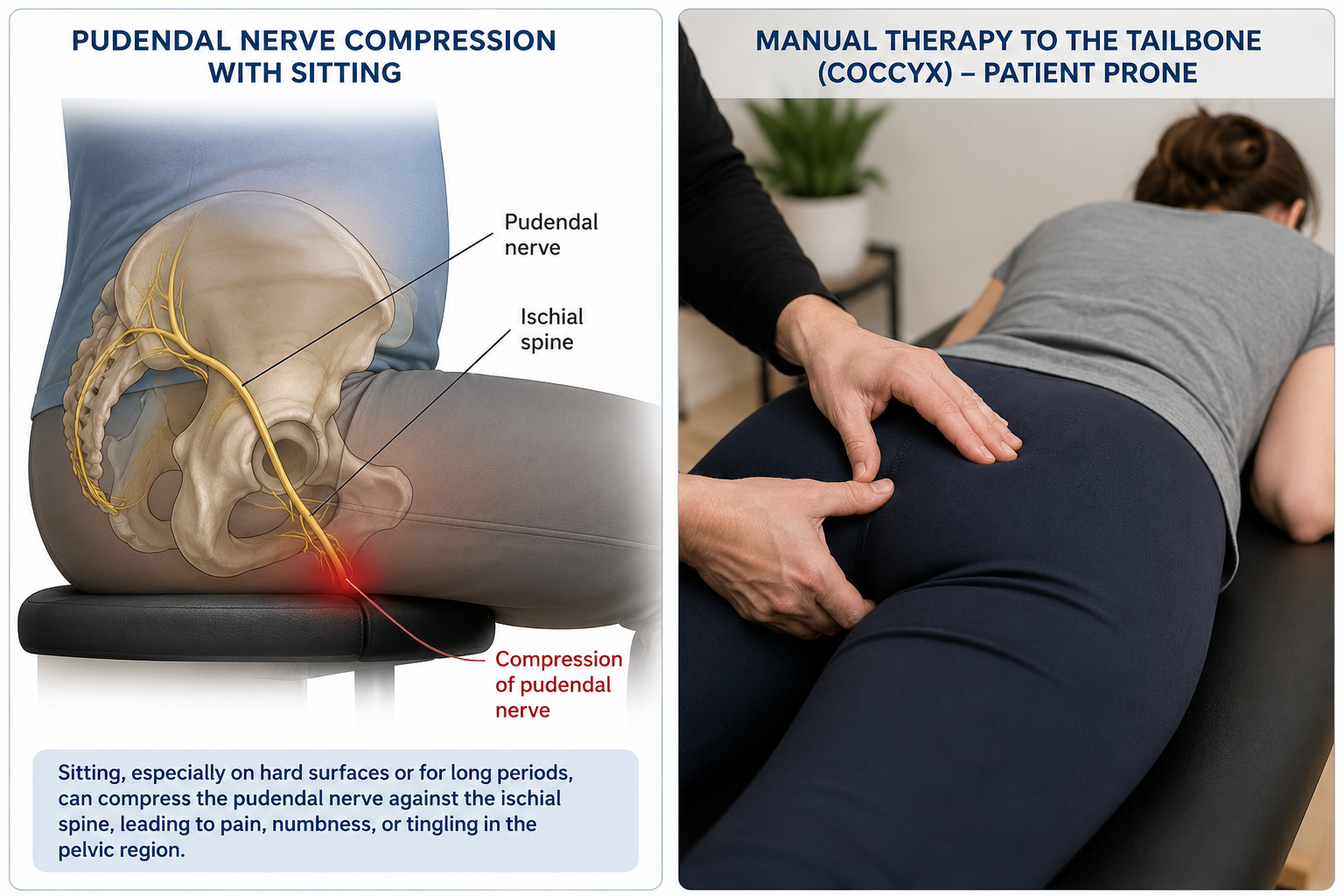
Pudendal Neuralgia: Understanding Burning Pelvic Pain & How Pelvic PT Can Help
What pudendal neuralgia is, why it happens, and how pelvic floor PT brings relief.
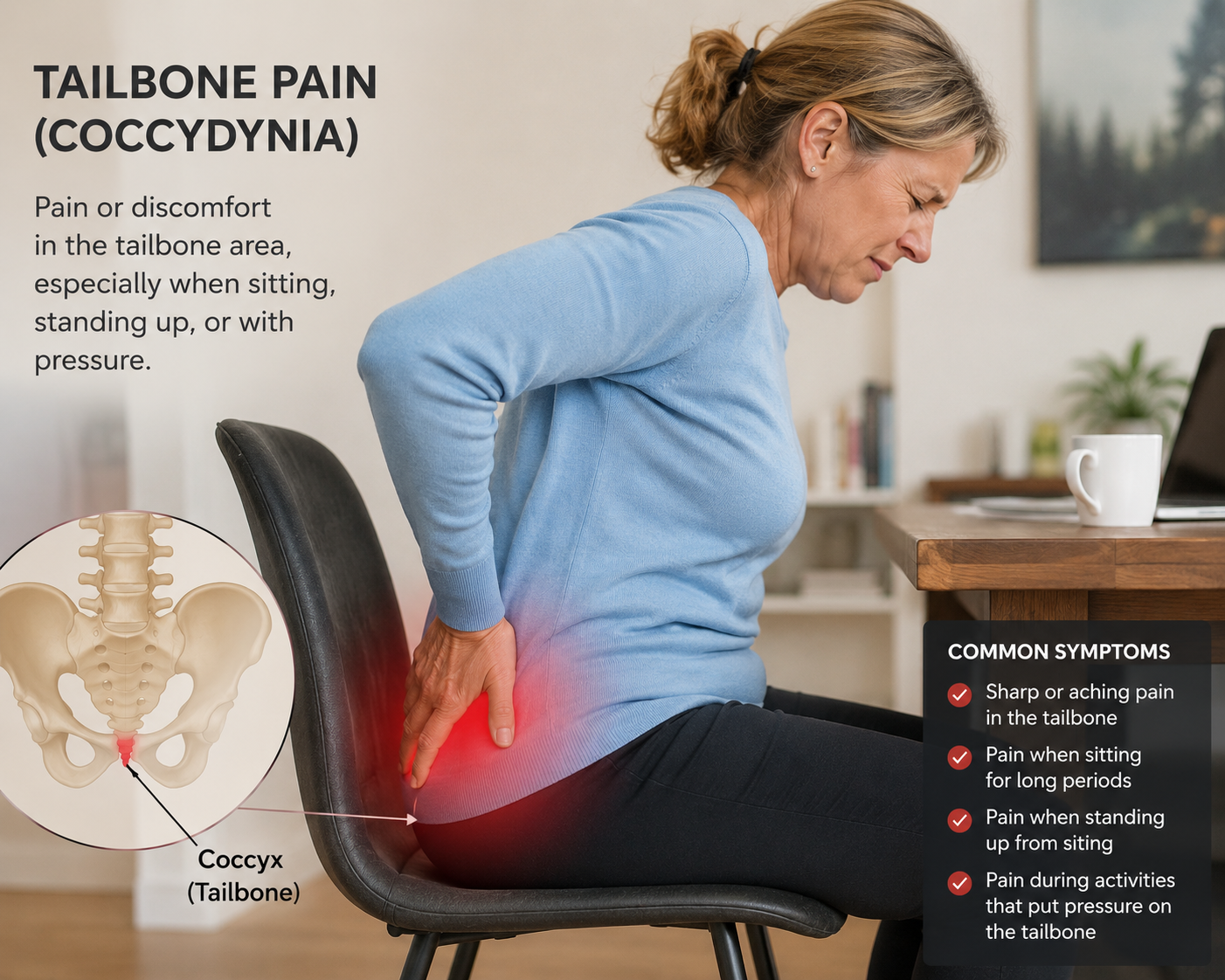
Why Does My Tailbone Hurt? How Do I Fix It?
Causes of coccyx pain and how pelvic floor PT resolves it.
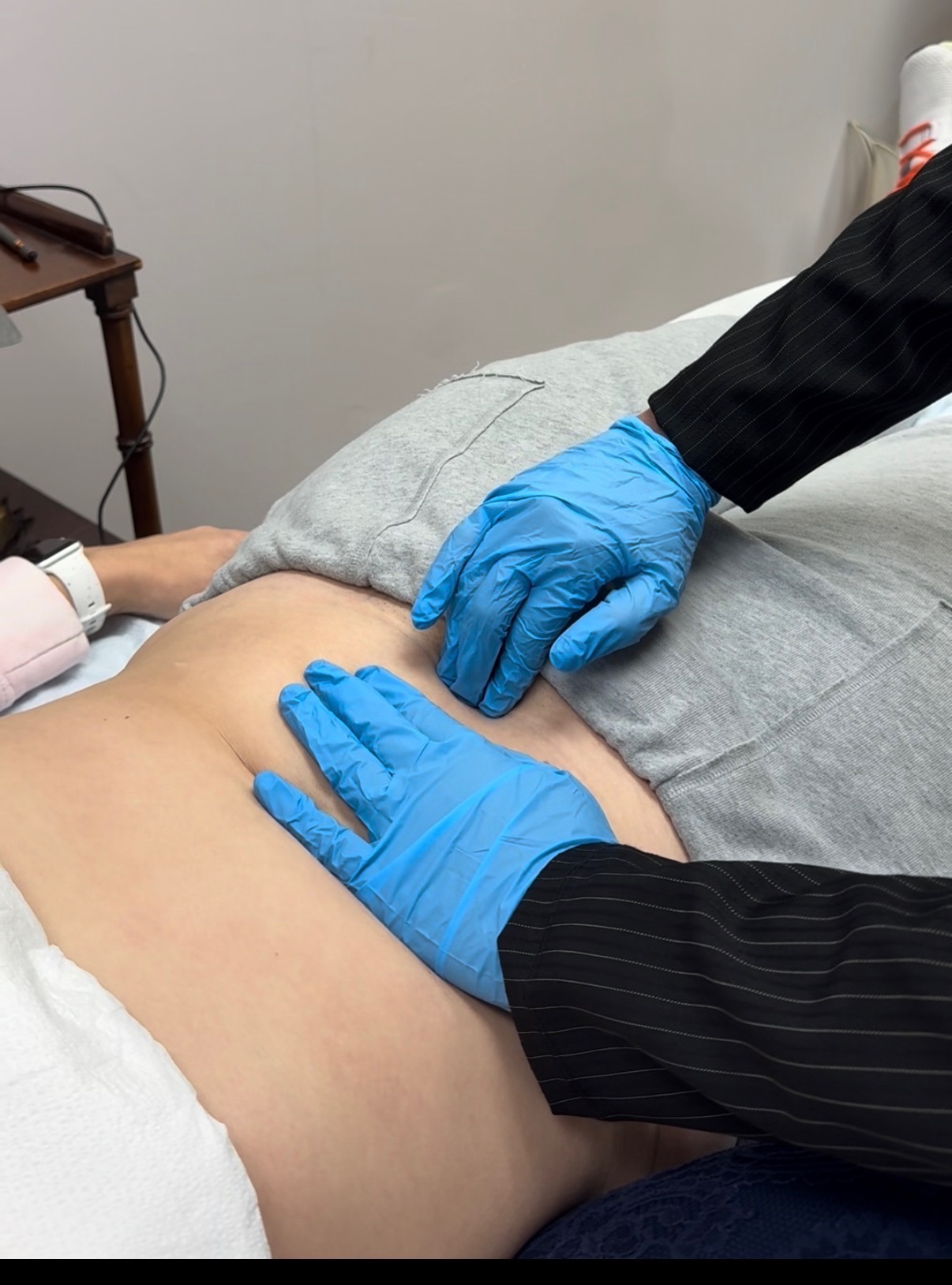
Pelvic Floor Therapy for Pelvic Pain
How pelvic floor physical therapy can manage and treat pelvic pain conditions.
Free Guides You Can Start Using Today
Tell us where to send it and the PDF is yours right away — it downloads instantly and lands in your inbox too.
Pleasure Without Pain
A compassionate guide to overcoming pelvic pain and rebuilding comfort with intimacy.
Vagercise
Quality kegels done right — learn the correct technique for effective pelvic floor exercises. Most people are doing them wrong.